
SouthBridge Consulting Blog
SouthBridge Consulting has been serving the Texas area since 2015, providing IT Support such as technical helpdesk support, computer support, and consulting to small and medium-sized businesses.


Even the solutions designed to keep businesses and organizations safe are vulnerable to the threat of a cyberattack, as when it all boils down, these tools are still software solutions, no matter how secure they might be. The company in question today—Barracuda—is a huge name in the cybersecurity industry, and it has become the victim of a zero-day exploit. Let’s go over how you can prevent your business from experiencing the same thing.
0 Comments

Cloud computing is a major growth industry as businesses and individuals look to use the computing strategy to either save money or get resources that they would typically not be able to commit to. With cloud computing becoming more and more integrated into business each year, it stands to reason that the once Wild West of cloud computing would start to see a lot more regulation. This week, we’ll take a look at how the cloud is regulated and what to expect out of cloud regulation down the road.

Password changes, multi-factor authentication, and countless changes in policy and procedure can make daily workflows more and more complicated. Cybersecurity can truly be a pain—a necessary pain, granted—but a pain nevertheless, and one that can gradually lead to burnout if you aren’t careful. Let’s go over how to mitigate the likelihood of it.

The Federal Trade Commission, or FTC, has put together a Safeguard Rule to help establish guidelines for how businesses store and interact with customer information. Enacted in 2003, this rule was recently revamped in 2021 to stay relevant with the latest technology used by businesses. Let’s look at some of the policies and procedures that your business needs to know about the FTC Safeguard Rule.
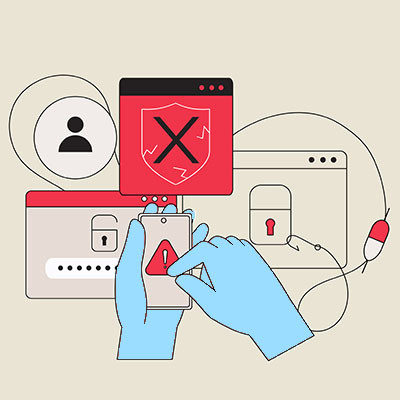
Your business’ computing infrastructure is a pretty resilient system. It has all types of tools added on to keep malicious code, bad actors, and even sabotage from ruining the good thing you have. This reliability has led to hackers changing the way that they go about their business. Nowadays, most of the attacks that affect businesses are phishing attacks. In today’s blog we will go through the elements of a phishing attack and how you can protect your business from them.

There are quite a few platitudes that we support, in terms of business IT. Some that we haven’t really touched on, however, are Schofield's Laws of Computing. Let’s fix that today by reviewing where they came from, and what these laws entail.

The Internet of Things is everywhere and that means that it’s important to understand how much of a potential security risk these devices can be. From smart speakers to smartphones, it's important that you understand how these devices can create problematic situations. In this week’s blog we will discuss how you can protect yourself against IoT vulnerabilities at home.

There is a lot made about ransomware, for good reason. It is quite simply one of the nastiest cyberattacks out there and it demands your attention. A lot of people understand what exactly ransomware sets out to do, but they don’t understand how it got that far and how to address the situation if they have the misfortune of being put in that position.

We talk a lot (and we mean a lot) about cybersecurity, with ransomware getting a lot of our focus…and for very good reason. Ransomware is a huge threat that today’s businesses need to be prepared to deal with. In light of this, we wanted to share a few tips to help you avoid the negative ramifications of ransomware.

Phishing is a common issue that businesses of all kinds can experience, whether they are a small startup or a large corporation. Hackers are always trying to extol information from your employees, including account credentials, remote access to your systems, and in some cases, funds directly from a bank account. It’s up to you to teach them how to identify and respond to phishing attacks.

Phishing is a remarkably dangerous tactic used by hackers to take advantage of those who might not be quite as in-the-know about security practices. Phishing attacks can be carried out against both businesses and individuals alike, and due to the many different forms these attacks can take—including email, text message, and even fraudulent websites—they can be quite problematic.
This past January, the Federal Bureau of Investigation issued an announcement that they had targeted and taken down the servers for a Dark Web organization responsible for the Hive ransomware group. While there is certainly cause for celebration here, one major statistic is enough reason to continue being concerned.

It doesn’t take much to get us to start ranting about the dangers of phishing, and it’s a topic that we won’t stop talking about for some time. Unfortunately, phishing comes in enough forms that it isn’t always so simple to spot. For this week’s tip, we just wanted to run through the different formats phishing can take, focusing on how to identify each type.

Remote work has seen unprecedented adoption in the past few years. While we’re all for the benefits that this trend brings, it is critical that any business that embraces remote or hybrid work does so securely.
Let’s discuss a few measures that your business can and should implement to achieve this security.

Most organizations are trying to figure out how to secure their IT against the constant flood of threats out there. Unfortunately, the biggest threat out there isn’t something that you can actively protect against. Can you guess what it is?
Unfortunately, it’s your employees, and their potentially lax password practices—and while you can’t really protect yourself against insecure passwords, you can minimize the likelihood that they’ll be used.

Small businesses have a lot to worry about in terms of technology, but one of the things that often gets overlooked is network security. Some small businesses feel that they are too small to be considered a viable target for hackers, but they are wrong; all businesses have data valuable for hackers in some form.

When security breaches and data breaches are mentioned in the same breath so often, it’s easy to look at them as one and the same. However, we want to take a moment to explain the differentiating factors between the two, as it could be all the most important for protecting your business in the future.

Simple passwords are just not an effective security practice, so if you’re still using credentials like Password, 123456, Guest, or Qwerty, listen up. You need better password hygiene practices before you suffer from a data breach. Here are some ways you can make a better password to protect your business from threats.

iPhone users should be aware that, should you encounter a pop-up that reads “Your Apple iPhone is severely damaged”, you don’t need to be concerned—beyond the concern you’d have for any other threat, that is. This pop-up is just a recent iteration of a common phishing scam that aims to fool people into downloading apps that enable hackers to access personal information.
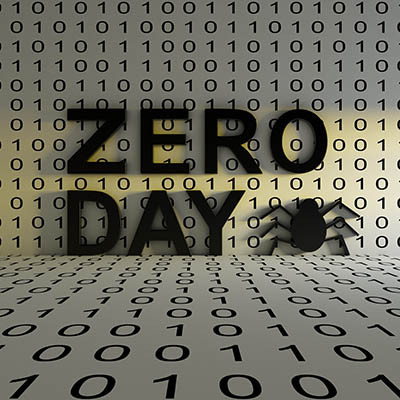
While security researchers do their best to find security vulnerabilities in software and systems before they are actively exploited by attackers, they can’t be successful all the time. There are too many threats and too many variables to consider, and zero-day exploits are often discovered well after they are actively being exploited by threats. How can you keep zero-day exploits from impacting your business?
Onsite Locations We Serve
- Alvin IT Services
- Clear Lake IT Services
- Friendswood IT Services
- Pearland IT Services
- Manvel IT Services
- Pasadena IT Services
- Dickinson IT Services
- Kemah IT Services
- Bacliff IT Services
- Deer Park IT Services
- League City IT Services
- Fort Bend IT Services
- Cypress IT Services
- Cinco Ranch IT Services
- Humble IT Services
Contact Us
Learn more about what SouthBridge Consulting LLC can do for your business.
SouthBridge Consulting LLC
Webster, Texas